GTM and growth planning
Clarifying offers, shaping strategic options, and translating market or stakeholder complexity into a usable plan.
I am the managing partner at Joseph Carter Group. My background spans HR technology, enterprise operations, consulting, public-sector strategy, and founder-led digital execution. I do my best work where a team needs sharper direction, stronger alignment, and a better bridge between planning and delivery. That perspective was also shaped by elected service early on: I was elected to Riverside City Council at 26, which gave me a grounded view of accountability, stakeholder trust, and how decisions land in the real world.

The through-line in my work is straightforward: understand the business problem, structure the decision, align the stakeholders, and make sure the final output actually gets adopted.
I am most useful when the problem is not only creative and not only analytical. The strongest fit is a team that needs someone who can think commercially, work across functions, and help move a strategy into something the organization can actually execute.
Clarifying offers, shaping strategic options, and translating market or stakeholder complexity into a usable plan.
Bringing structure to projects that require coordination across sales, service, operations, product, leadership, or external partners.
Helping organizations explain what they do more clearly through websites, service structure, content hierarchy, and go-to-market language.
Staying steady in ambiguous or deadline-heavy environments, reducing noise, and keeping the team focused on the next decision that actually matters.
This is the path that shaped how I work today. The settings changed, but the pattern stayed consistent: understand the system, improve the process, and help the team move with more clarity.
My time in the U.S. Navy shaped the habits that still show up in my work: accountability, calm under pressure, respect for chain-of-command realities, and the ability to keep moving when a team needs structure more than drama.
The point of these examples is not volume. It is range. Each one shows a different version of the same value: take something complex, clarify the message, and build a cleaner path for the audience.
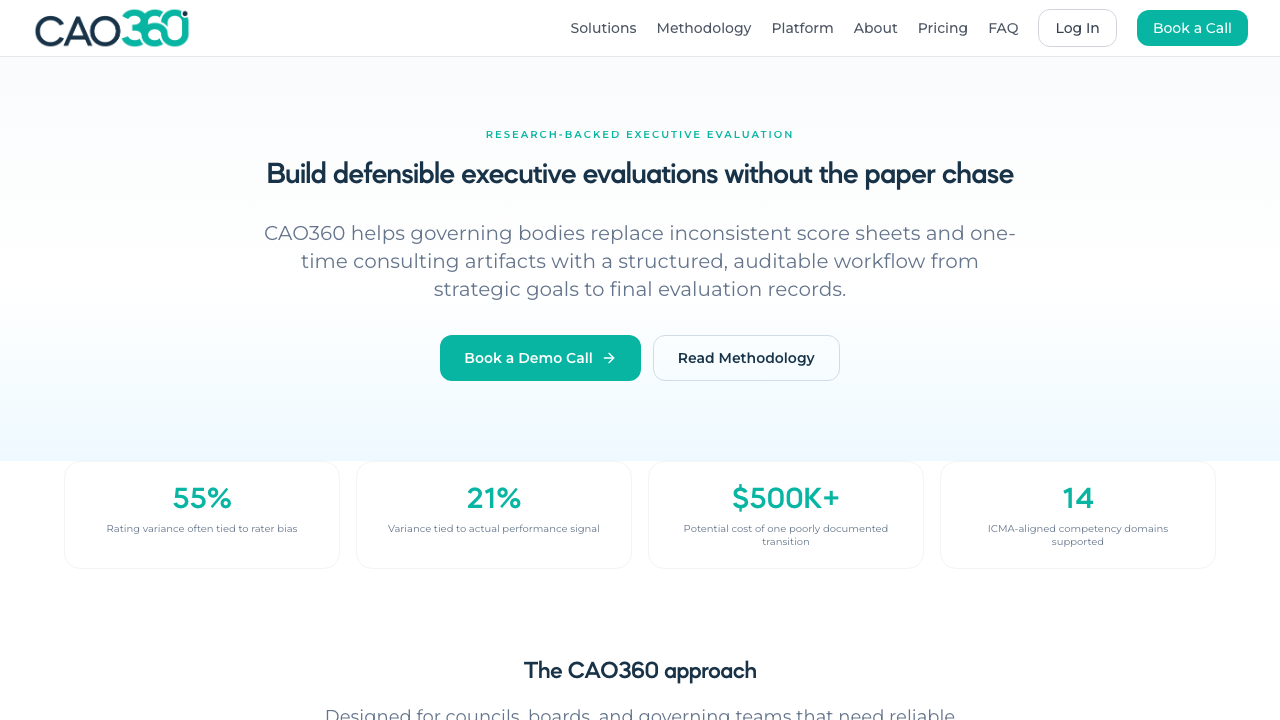
Positioning and product-presence work for a specialized platform that needed a more executive, legible story.
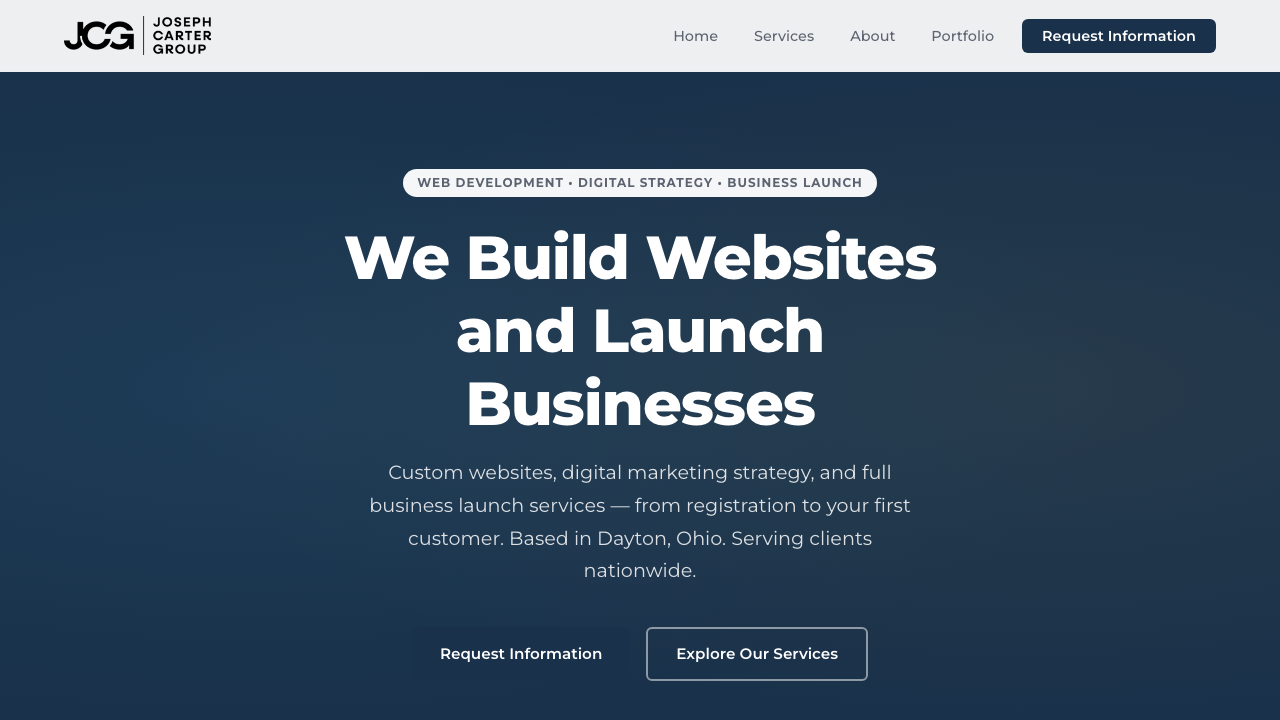
Service architecture, founder positioning, and conversion-focused digital structure for the JCG site itself.
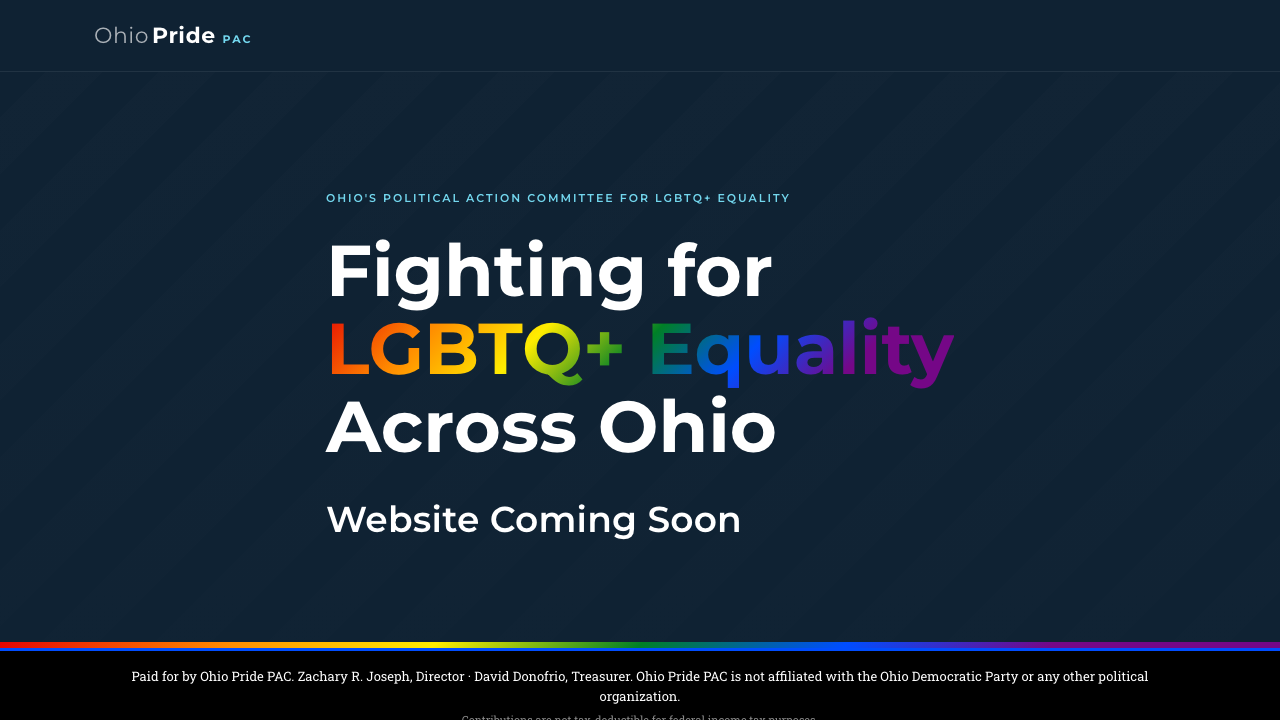
Public-facing organization work centered on clearer storytelling, stronger digital presence, and easier outreach support.
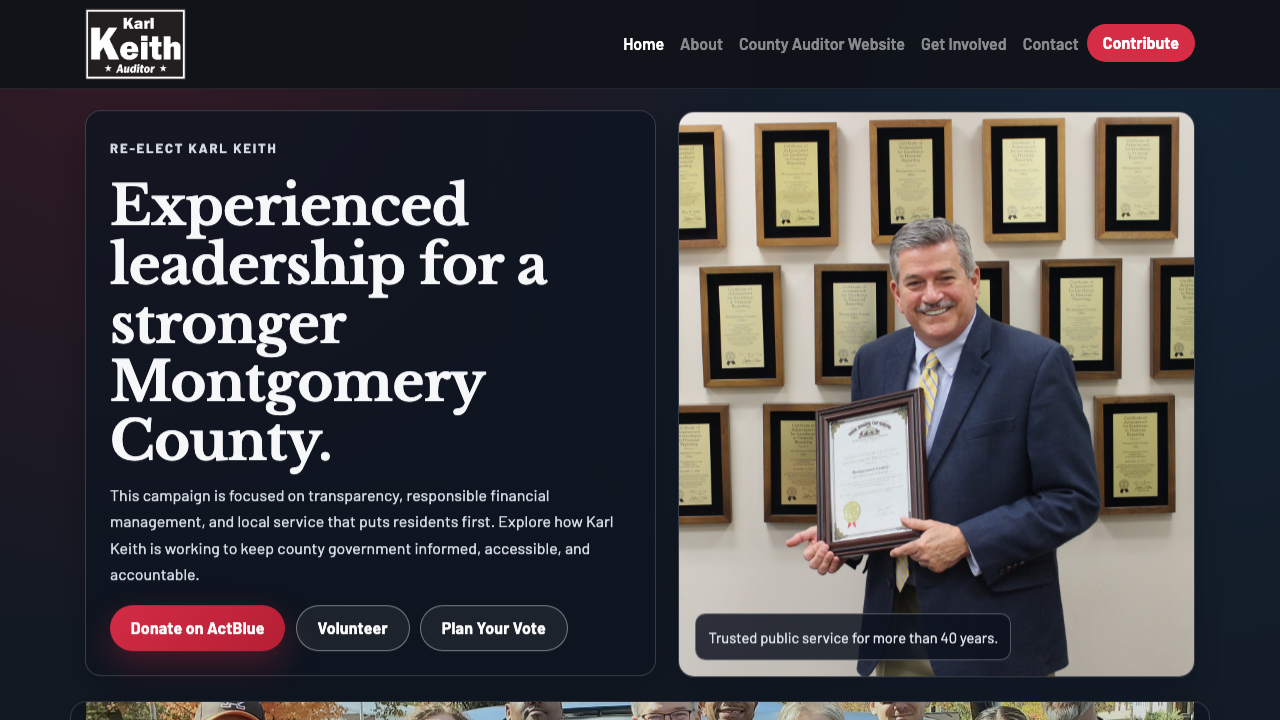
A restrained public-facing campaign site that shows how political work can still be presented with executive polish.
This is the operating style I naturally bring to leadership, consulting, and founder work. It is the same pattern whether the setting is enterprise software, a service organization, or a public-facing digital project.
I like turning messy information into clear framing, usable options, and language that leaders can align around quickly.
Plans are only useful if they account for process, stakeholders, handoffs, and the actual capacity of the team involved.
I naturally look for friction in systems, clarify what is breaking flow, and build cleaner ways for the work to move.
I care about tone. That matters when a brand needs to look credible, when a team is under pressure, or when the audience includes multiple stakeholder groups.
My best work usually happens when something important needs to become both clearer and more executable at the same time.
That is true for business strategy, digital positioning, founder support, and the kind of public-facing work where stakes and timelines are both real.
Austin's profile shows the design, web development, photography, and visual execution side of the partnership. Together, the two pages explain the full JCG model.